Living on the Space Coast means respecting storm season. Heavy rain, wind-driven water under doors, a failed roof seal, or a burst supply line can all leave floors soaked. What you do in the first hours and days often decides whether a floor can be saved or has to be replaced. This guide covers the practical steps, and why we are careful not to overpromise before a floor has been inspected.
First steps when water gets in
Make sure it is safe to enter, with electricity off in wet areas. Stop the source of water if you can. Take clear photos and video of everything before you move or discard items, since your insurance adjuster will want documentation. Remove standing water, lift furniture and rugs, and start airflow right away with fans and dehumidifiers. Mold can begin to develop quickly in Florida's warm climate, so speed matters.
Can your floor be saved?
It depends on the flooring type, how long it was wet, and whether the water was clean or contaminated. Floodwater from a storm surge can carry contaminants, and in that case porous materials generally need to be removed.
- Carpet and pad: often need to be removed after contaminated water, and pad is rarely worth saving.
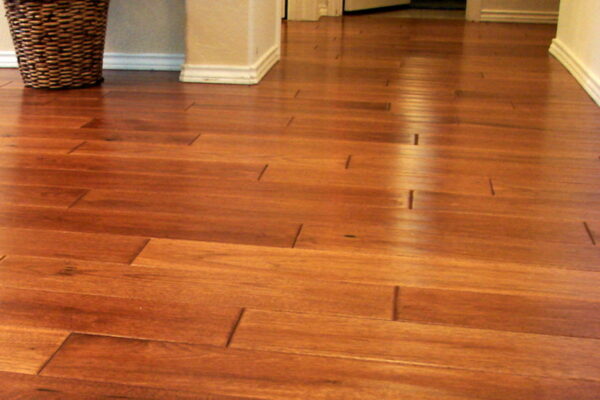
- Hardwood: may cup or buckle as it absorbs moisture; sometimes it dries and can be refinished, sometimes not.
- Engineered hardwood: layers can separate when saturated.
- Laminate: the fiberboard core can swell permanently.
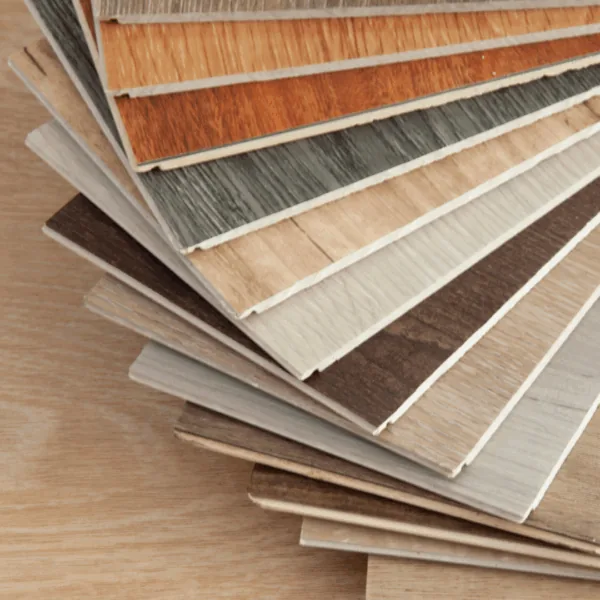
- Luxury vinyl plank: the planks themselves resist water, but water can still get trapped underneath, so the subfloor must be checked.
We never want to guess over the phone. A hands-on inspection of the flooring and the subfloor tells us what is salvageable.
Check what is underneath
A floor is only as sound as what is beneath it. After a leak or flood, moisture can linger in the slab, underlayment, or baseboards even when the surface feels dry. Before new flooring goes in, the subfloor should be fully dry and clean. Installing over damp material is how mold smells and early failure begin, and we would rather delay an install than cover a problem.
Choosing flooring that recovers better next time
If you are replacing storm-damaged floors, it is worth thinking about resilience. In areas that may see water, luxury vinyl plank is a popular pick because the planks do not absorb moisture the way wood-based products do. In living areas where you want a wood look, engineered hardwood or traditional hardwood flooring can still be the right call with good humidity control. Bedrooms can return to comfortable carpet once everything is dry.
Working with insurance and planning the repair
Keep receipts, photos, and written estimates. Your insurer may have its own requirements, and we can provide a clear written estimate for the flooring portion of the work. If the project is bigger than expected, we can talk through product options that keep the uncovered portion manageable. Homeowners from Titusville to Palm Bay trust us for straightforward guidance, and you can see more about our approach on our services page.
If you are dealing with water right now, your first call should be to the right emergency or restoration help for safety and drying. When you are ready to talk floors, we are here in Cocoa at (321) 515-4635.
Ready to replace damaged floors? Request a free estimate and we will inspect and advise.
Get a free estimate